 Case study: Space
Mission control in a browser.
In-Space Missions needed software that let customers control their satellites, and no existing system fitted their business rules. Its customer data portal went live before the Faraday-1 satellite launched.

- Live
- before the first Faraday-1 satellite launch
- Minutes
- to roll out a change once the team has verified it
No software fitted.
In-Space Missions needed their customers to send control requests to their satellites and get the responses back. No existing software could handle their business rules.
In-Space Missions designs, builds and operates space missions for global customers from their UK site. As a start-up in the UK's New Space sector, they schedule shared satellite resources for several customers, so each customer's data has to stay private.
Pivale and In-Space defined the baseline architecture in early 2019, knowing some requirements would only surface later. The two teams worked in short iterations, testing assumptions with a proof of concept and changing course in small steps.
An API-first customer data portal.
- 1
AdonisJS and Nuxt
The API runs on AdonisJS, a Node.js framework, and the web interface on Nuxt, with no content management system.
- 2
Web interface or API
Customers send control requests and read their satellite's responses in the browser or through a REST API documented to the OpenAPI standard.
- 3
Queued for scheduling
The portal queues each request for In-Space's downstream systems, which schedule shared satellite resources and send the payload responses back.
- 4
Access control tested on each build
A suite of access control tests runs with each build, so In-Space can change the system without regressions or data leaks.
- 5
Changes live in minutes
In-Space tests changes in secure Platform.sh staging environments, then rolls them out in a few minutes.
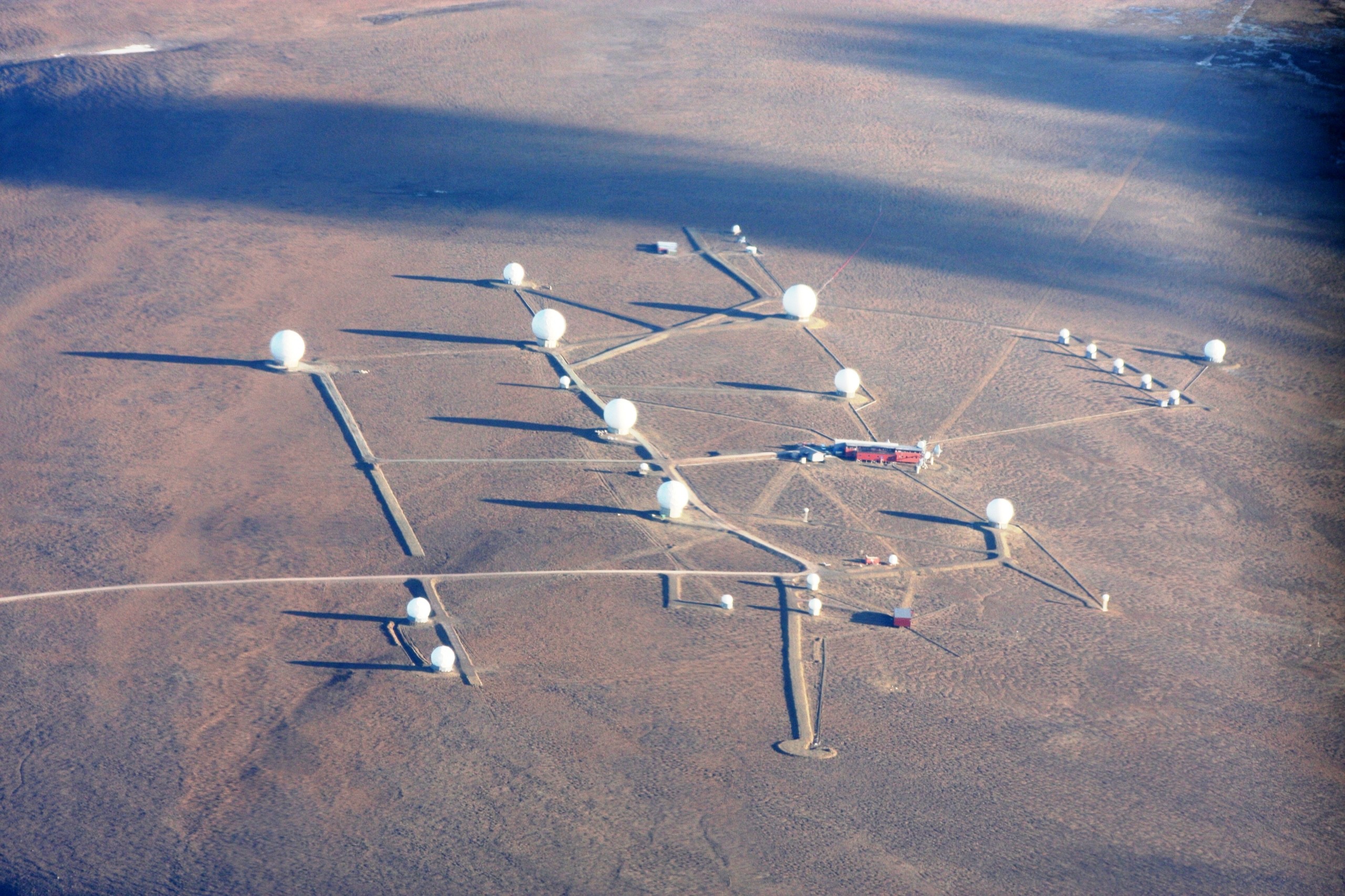
Svalbard Satellite Station.Image: “Longyearbyen Plataaberget IMG 3014” (opens in a new tab) by Bjoertvedt (opens in a new tab), CC BY-SA 3.0 (opens in a new tab), via Wikimedia Commons.
“Pivale have been excellent at working in partnership with us to design our customer facing frontend in an agile manner that has been shaped during the development and operational phase. They have helped identify the appropriate technologies at each stage and have provided a pragmatic, cost-effective solution that we have been able to build together to deliver value to our customers.”

Principal Ground Systems Engineer, In-Space Missions
Ready for launch, still growing.
- 1
Live before Faraday-1
Customers could test the portal and give feedback before In-Space's first Faraday-1 satellite launch.
- 2
Two ways in
Customers choose the web interface or the documented REST API to send their requests.
- 3
Big changes with confidence
Automated tests and staging environments let In-Space make large changes to the core API, then release them in minutes.
- 4
Built on since launch
In-Space added two-factor authentication, API tokens and geo-location (TLE) data after launch. Pivale supported the portal until BAE Systems bought In-Space and took their software in house.
- The problem
- M&S Food Technical Centre had to replace the older system behind their work with suppliers and auditors.
- The solution
- M&S Connect: documents, audits, benchmarking and reporting in one web platform.
- The outcome
- Thousands of users across M&S teams, auditors and suppliers, and extended for nearly ten years.
 Telaugos SolutionsBrought into sharp focus
- The problem
- A dated website that didn't work on mobile and gave the team little control.
- The solution
- A bold Drupal redesign on a limited budget, with pages, menus and affiliates managed in-house.
- The outcome
- Faster pages, better SEO and traffic measured in Google Analytics for the first time.

Facing something similar?
Can't find software that fits your business rules? Let's talk about building it.
or email hello@pivale.co