How we use AI to ship faster without technical debt
AI made our developers faster, from no gain on some tasks to 18× on others. Our guardrails keep your platform easy to change while it happens.

The real gains
We’ve measured what AI changes in our work: from no gain on some tasks to around 18× faster on others. Overall, we get more done than we did three years ago.
In May 2023, our Engineering Excellence article predicted that AI would change how websites are built, and that people would still need to make the decisions and answer for them. Both predictions held.
The question to ask an agency using AI is whether today’s work makes your platform easier or harder to change tomorrow.
The risk: speed now, debt later
AI-written code raises fair worries: hidden technical debt, missed edge cases, features that don’t match each other and security gaps. Left alone, an AI tool builds whatever feature it’s asked for next. Kent Beck, one of the original signatories of the Agile Manifesto, calls this being “feature drunk”: prompt after prompt, until nobody can change the system without a rebuild.
That approach can delight a client for a quarter. Your website has to last far longer: we look after most of the sites we build for six to eight years, and many for longer.
Features versus futures
In his talk Features vs. Futures (opens in a new tab), Beck describes two kinds of value in software. Features are what it does today: visible and easy to celebrate. Futures are what you could make it do tomorrow: invisible until they run out.
Beck’s word for futures is optionality. In practice, it means that as your system grows, you don’t get backed into a corner and left regretting decisions made years ago. That’s a form of technical debt we see often in legacy systems.
Each new feature uses up some of those options. Building it locks in decisions: where your data lives, how your systems connect and how your workflows run. Each decision can make later changes slower or more expensive.
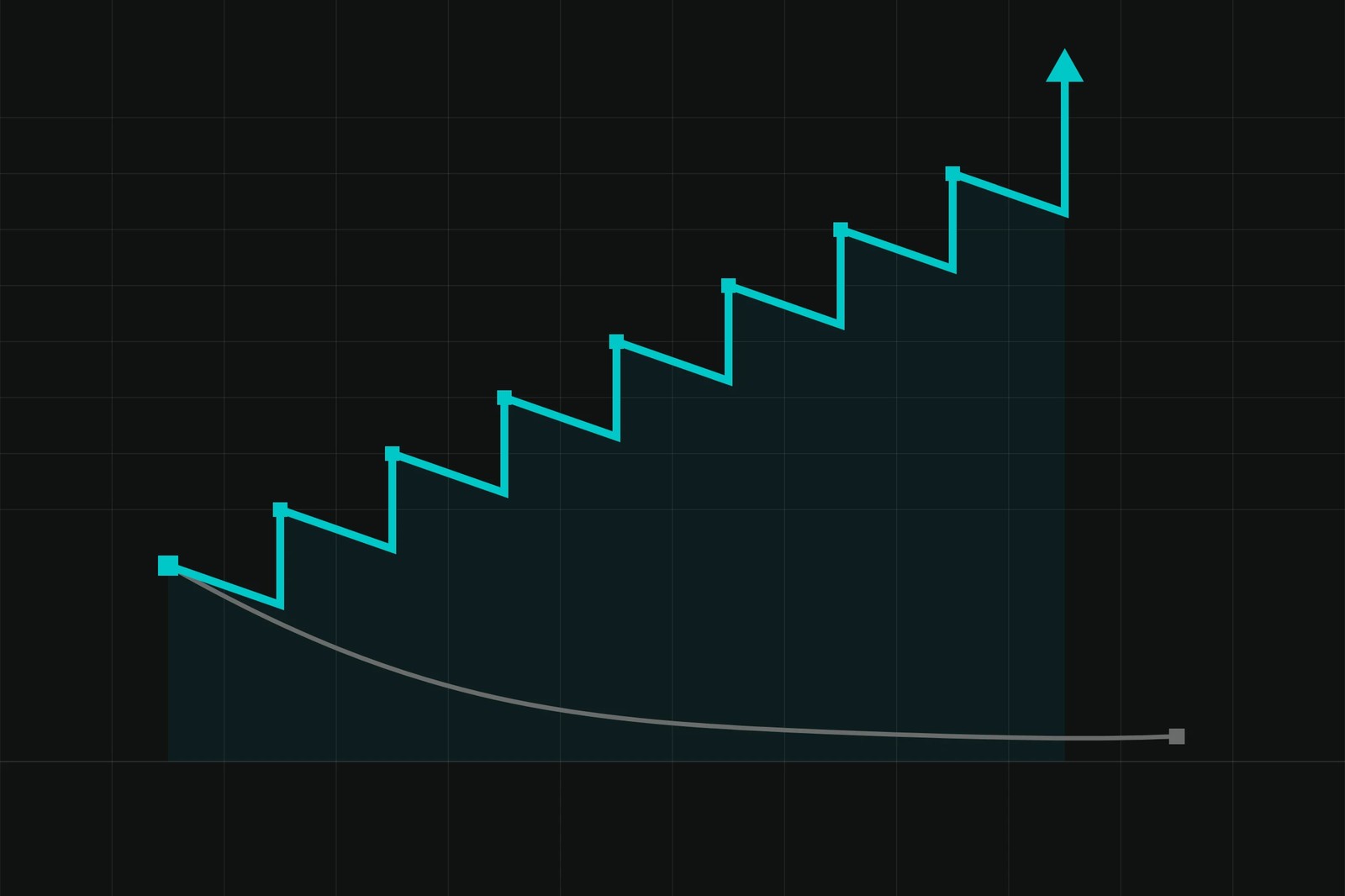
AI speeds up both: you get features sooner, and you use up options sooner too. It can also keep your options open, as long as we build that step into how it works. So we work in a staircase: after each feature, we restore futures with tests, tidying and making sure the team understands what we built.
Our rule: every piece of work delivers the feature and leaves your futures at least as healthy as it found them.
Six guardrails that keep the speed safe
Our AI tools work inside the Engineering Excellence principles we published in 2023, now at a faster pace:
- Proven design patterns. New work follows patterns we’ve already proven, so every integration logs, fails and recovers the same way.
- Automated tests. Tests define what the system must do and run on every change, catching AI mistakes now and for years to come.
- Quality gates. We write our standards as checks that AI tools test their own work against. A developer still reviews every change.
- A shared language. Your stakeholders and our developers agree what words like “order”, “customer” and “consent” mean, so the meaning survives from workshop to code and tests.
- Safe releases. We test every change on staging first, and can roll any change back.
- Your data stays private. The AI sees our code and nothing else: on every project, we keep credentials and personal data out of its reach.
The surprise: AI can increase your futures
With these guardrails in place, we can change existing code with less risk than ever. Good test coverage gives our developers, and you, the confidence to make large changes: if a change breaks something that already works, the tests tell us straight away. So we can revisit decisions made years ago instead of working around them.
Coverage only helps if the tests check what matters to your business: the workflows your teams rely on and the integrations between your systems. With each new feature or change, we pay close attention to what the tests need to protect. Used this way, AI adds features faster and makes your platform easier to change.
The expert stays in the loop
Six hours is one example, and the gains vary from task to task. A hard-to-find bug that once took three hours can now take ten minutes. But AI also misses things an experienced developer would spot at a glance, and sometimes needs babysitting, rolling back or redoing by hand.
The gains come from experienced people using AI. Our developers decide what to ask for, notice when the answer is wrong, and know when to stop and restore futures.
A speed-up on its own says little about what happens to the software after launch, when technical debt can start to cost you within months.
Five questions to ask any agency using AI
- Who reviews the AI’s work before it reaches you?
- Which automated tests protect each change, now and in future?
- Can you show an audit trail for every external integration?
- How do you keep our data and credentials away from AI models?
- How will you keep our platform easy to change in three years’ time?
Fast, with futures protected
In 2023 we sat top left: sound engineering, but each feature took the time it took. AI without guardrails moves a team bottom right: fast, but spending your futures to do it. We moved straight across the top.
You won’t see the cost of the bottom row on the first invoice. You see it later, in slower changes, bigger quotes and, in the end, a conversation about a rebuild.
The difference for you
Working this way gives you:
- More of your roadmap delivered for the same budget, with the gains depending on the work.
- Results sooner, so you hit your targets earlier and can answer competitors faster.
- Better decisions, because the time we save on code goes into consent, compliance and edge cases.
- A platform that stays changeable, with no surprise rebuild in three years’ time.
Every agency now has AI, but they don’t all use it the same way. Whether your system is an information website or mission-critical, you should stay in control of it. We care about the quality of what you’re left with years from now, and how many options it leaves open. We won’t trade your tomorrow for a quick win today.
Our website systems audit shows how much room to change your platform has left, and where AI could speed up your roadmap safely. To talk it through, book a 30-minute call with one of our friendly experts, with no obligation.
Further watching and reading
- Kent Beck, Features vs. Futures: Software Design in the Age of AI (opens in a new tab) (video)
- Kent Beck, Kudzu to Garden: Sustainable Augmented Development (opens in a new tab) (video and transcript)
- Pivale, Engineering Excellence (May 2023)